

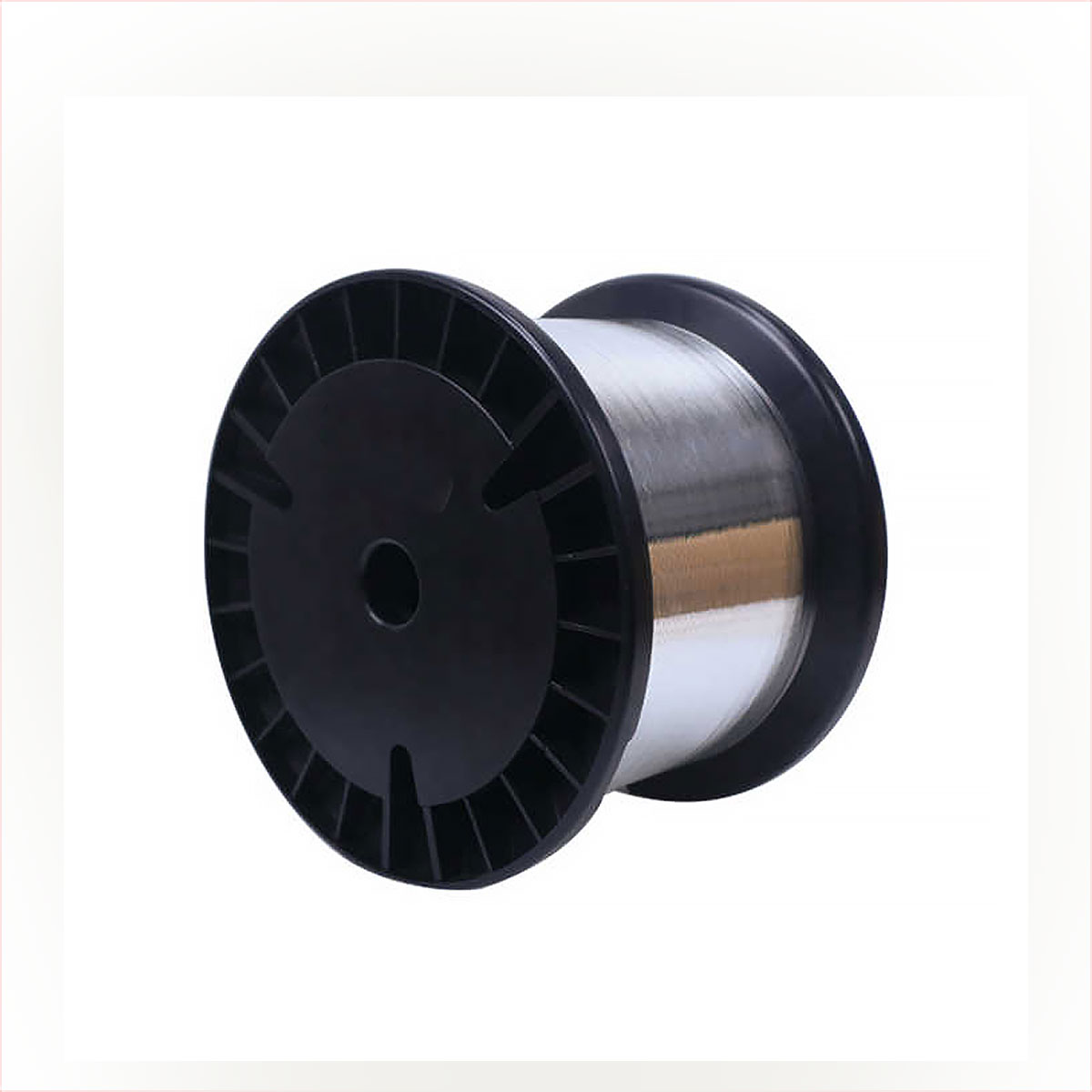
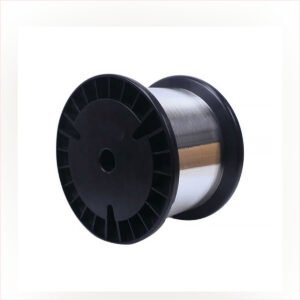
Description
|
General Specifications about Solar Ribbon |
|||||||
|
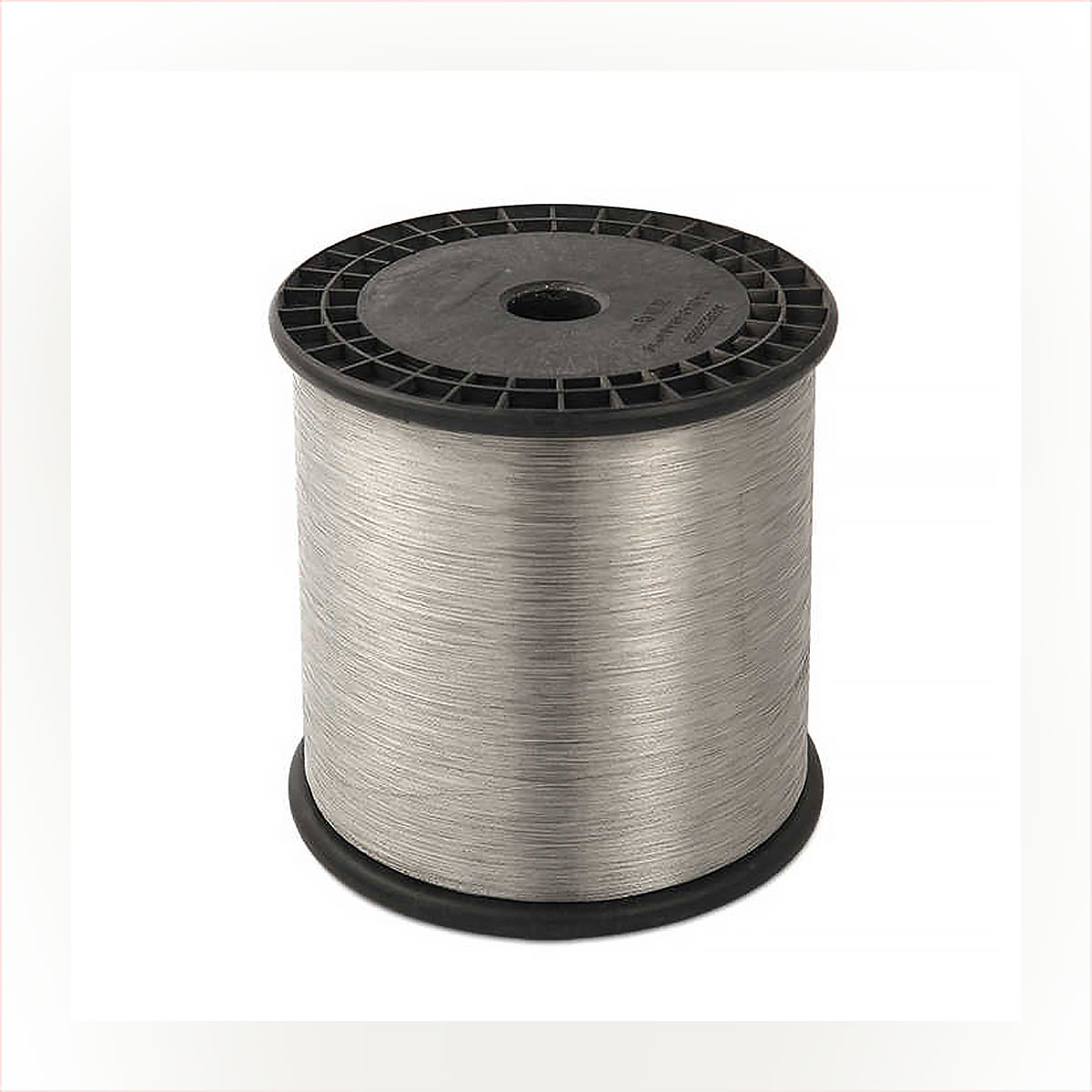
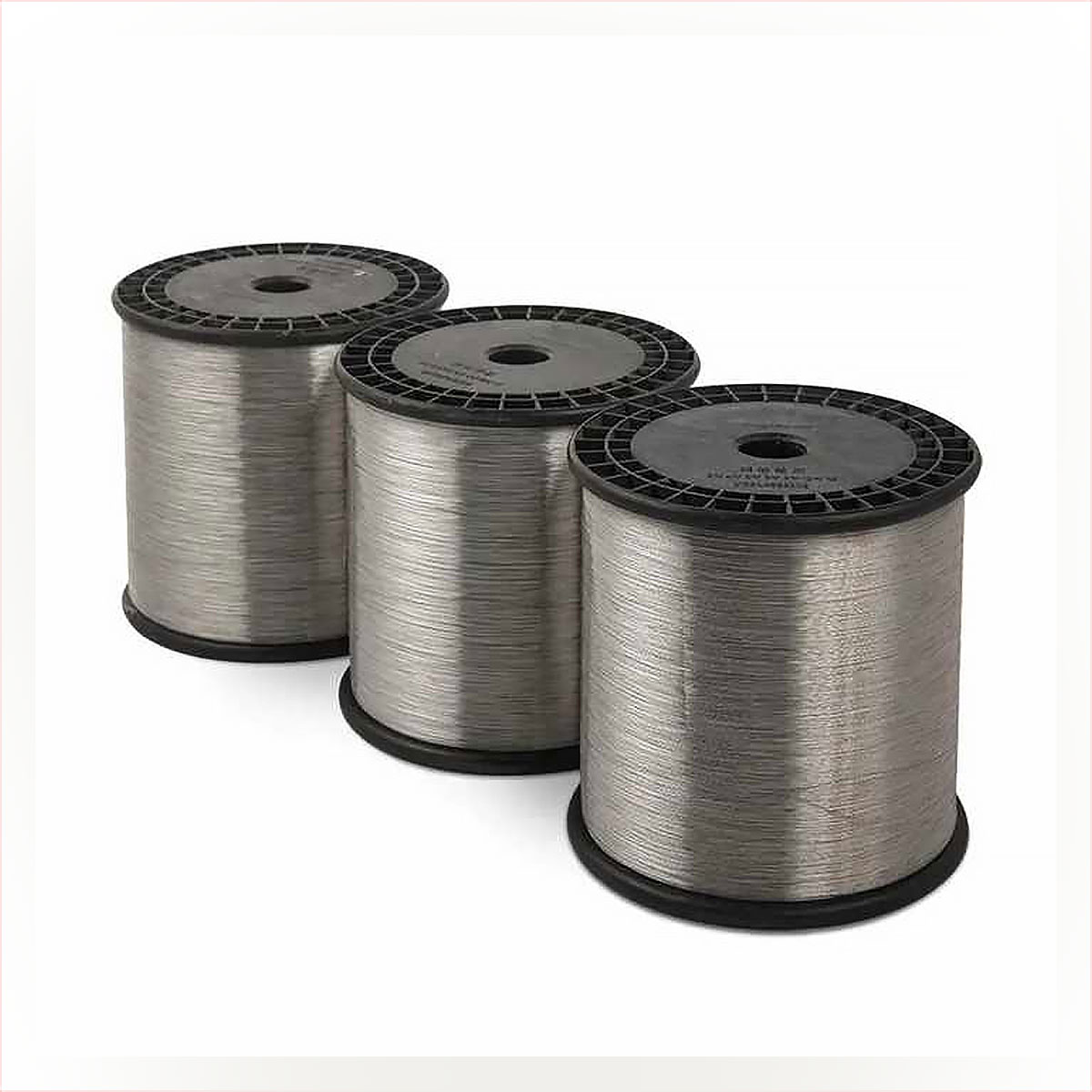
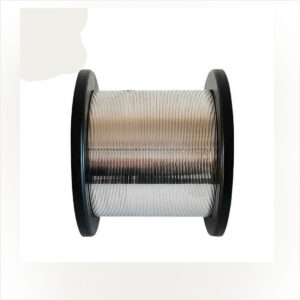
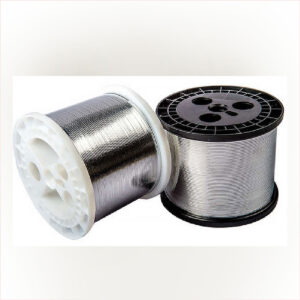
Solar ribbons, or PV ribbons, are thin, solder-coated copper strips used to connect solar cells in a panel, with specifications varying by application, but generally including a copper base (over 99.90% pure) with good conductivity (over 99%), a tensile strength around 25 kgf/mm², and a solder coating (e.g., Sn60Pb40, Sn96.5Ag3.5) applied to a uniform thickness of 10-40 μm. Key parameters are width (1-6mm), thickness (0.08-0.5mm), and elongation (typically 15-25% minimum). |
|||||||
|
Material: |
|||||||
|
– |
Base Material: Copper, with a minimum content of 99.90% and a base copper conductivity of at least 99% IACS. |
||||||
|
|
Solder Coating: The copper is coated with a tin-lead or lead-free alloy, like Sn60/Pb40 or Sn96.5/Ag3.5. The coating thickness is typically 10-40 μm, |
||||||
|
Purity & Conductivity: |
|||||||
|
– |
Electrical conductivity ≥ 99% IACS ensuring maximum current transfer efficiency. |
||||||
|
Dimensions: |
|||||||
|
– |
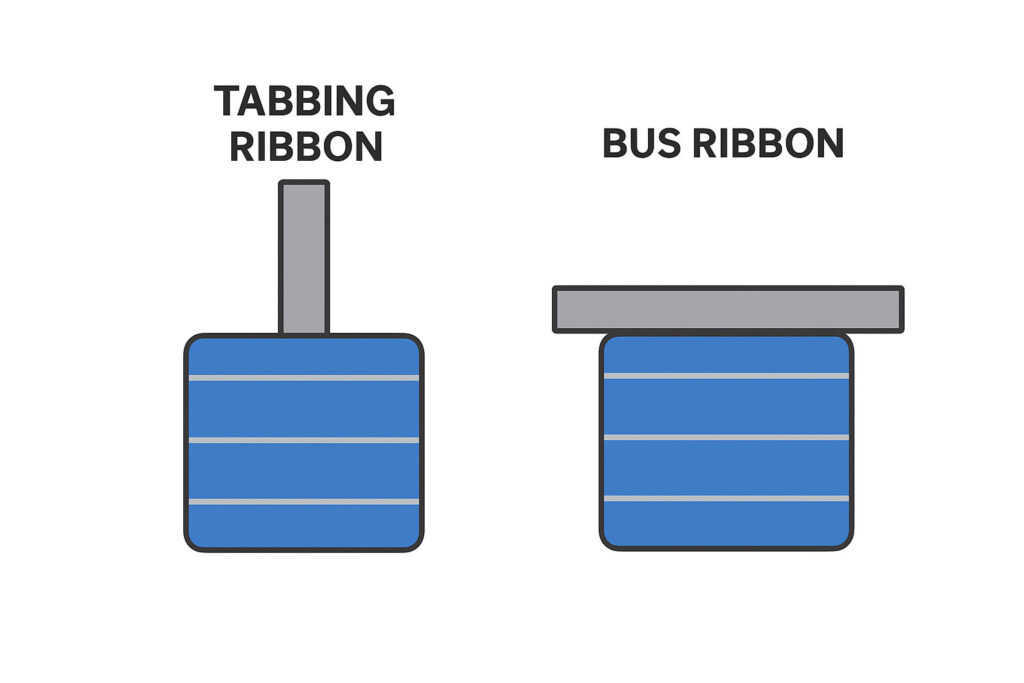
Tabbing Ribbon: 1.0 – 3.0 mm width × 0.08 – 0.25 mm thickness |
||||||
|
– |
Bus Ribbon: 3.0 – 7.0 mm width × 0.20 – 0.50 mm thickness |
||||||
|
Coating Thickness: |
|||||||
|
– |
15 – 25 μm hot-dip tin coating for oxidation protection and improved solderability. |
||||||
|
Solder Alloys: |
|||||||
|
– |
Available in traditional leaded alloys (Sn63Pb37) or RoHS-compliant lead-free alloys such as SAC305 (Sn96.5Ag3Cu0.5). |
||||||
|
Mechanical Properties: |
|||||||
|
– |
Tensile Strength: ≤ 270 MPa |
||||||
|
– |
Yield Strength: ≤ 90 MPa |
||||||
|
– |
Elongation: ≥ 25% (for ribbons with width < 3 mm) |
||||||
|
Durability: |
|||||||
|
– |
Excellent resistance to oxidation, humidity, and thermal cycling to ensure long-term stability and reliability. |
||||||
|
Applications: |
|||||||
|
– |
Interconnection of solar cells in photovoltaic modules |
||||||
|
– |
Current collection and transmission to busbars |
||||||
|
– |
Suitable for tabber/stringer production lines |
||||||
|
– |
Customization: Custom width, thickness, coating type, and spool size can be provided according to customer requirements |
||||||
|
Packaging: |
|||||||
|
– |
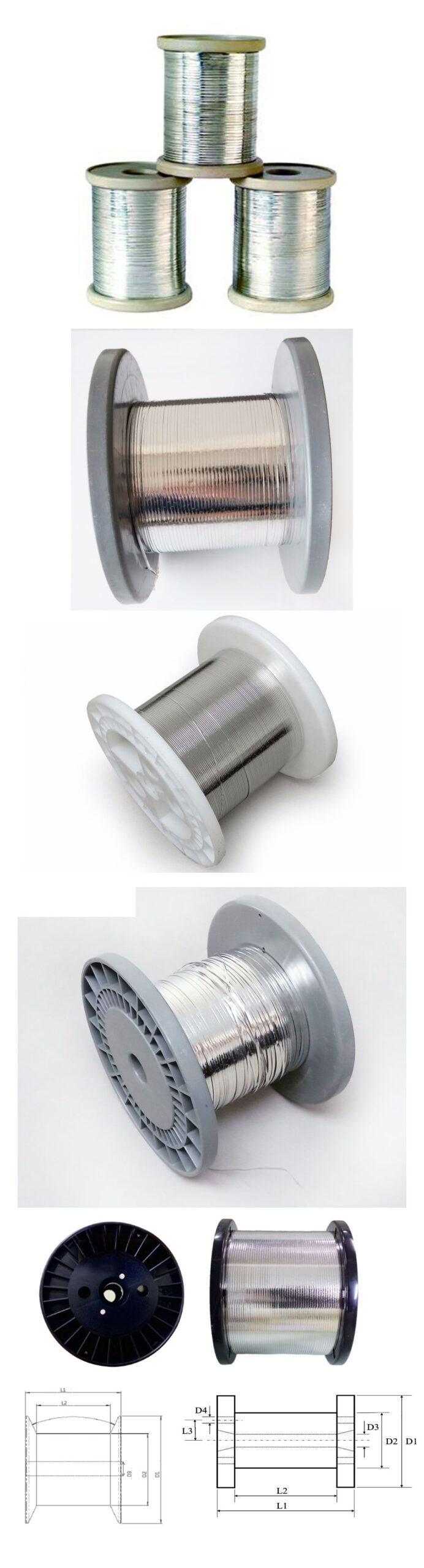
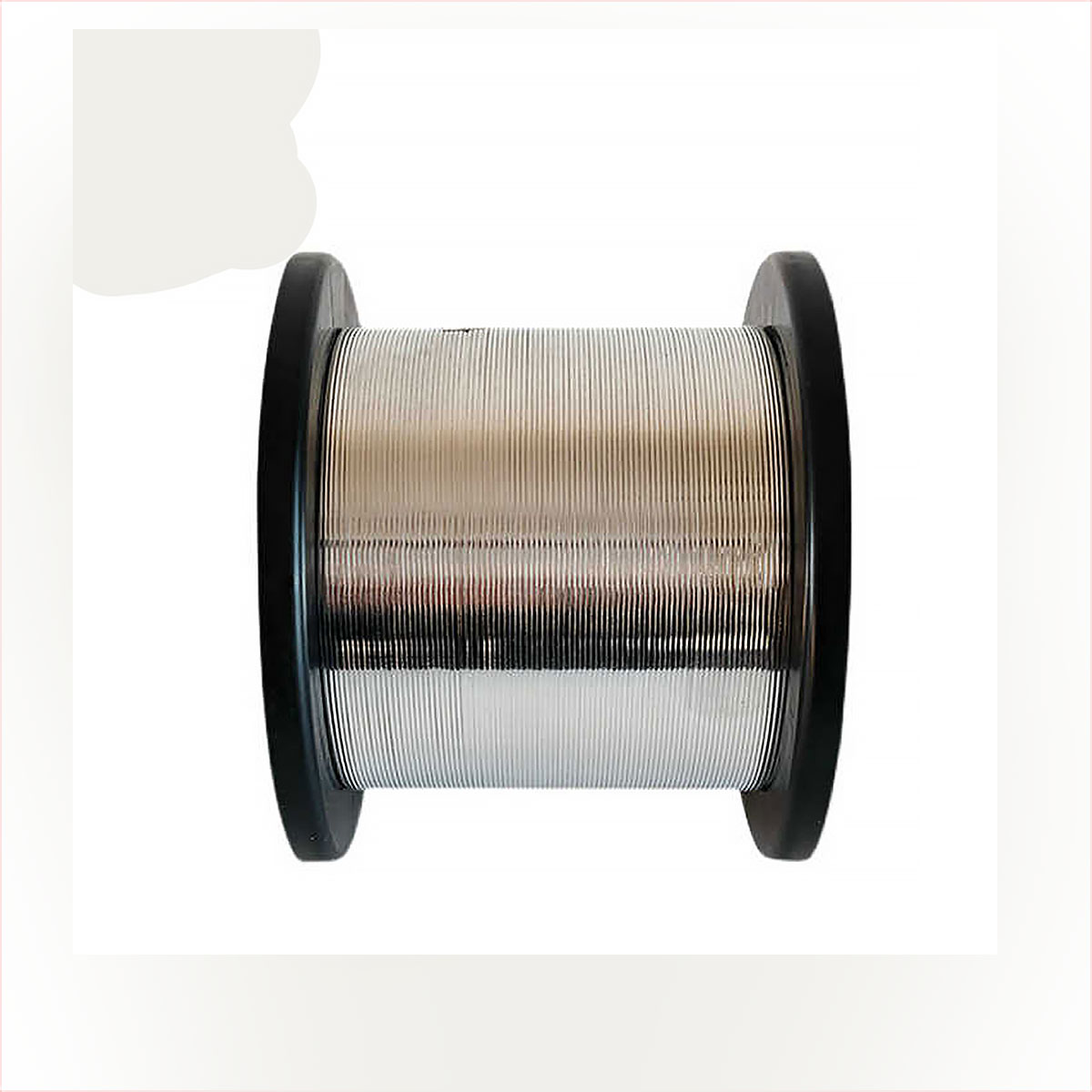
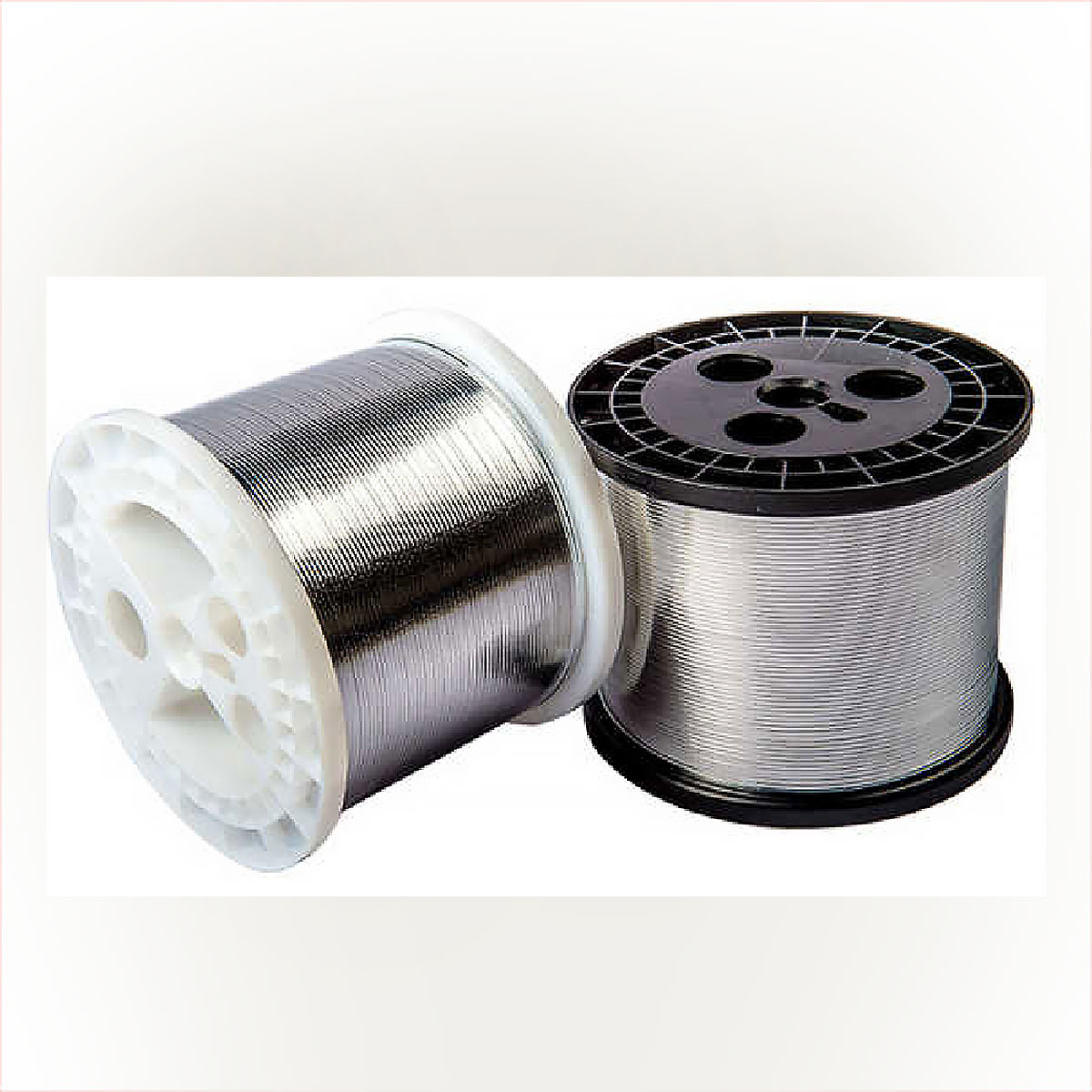
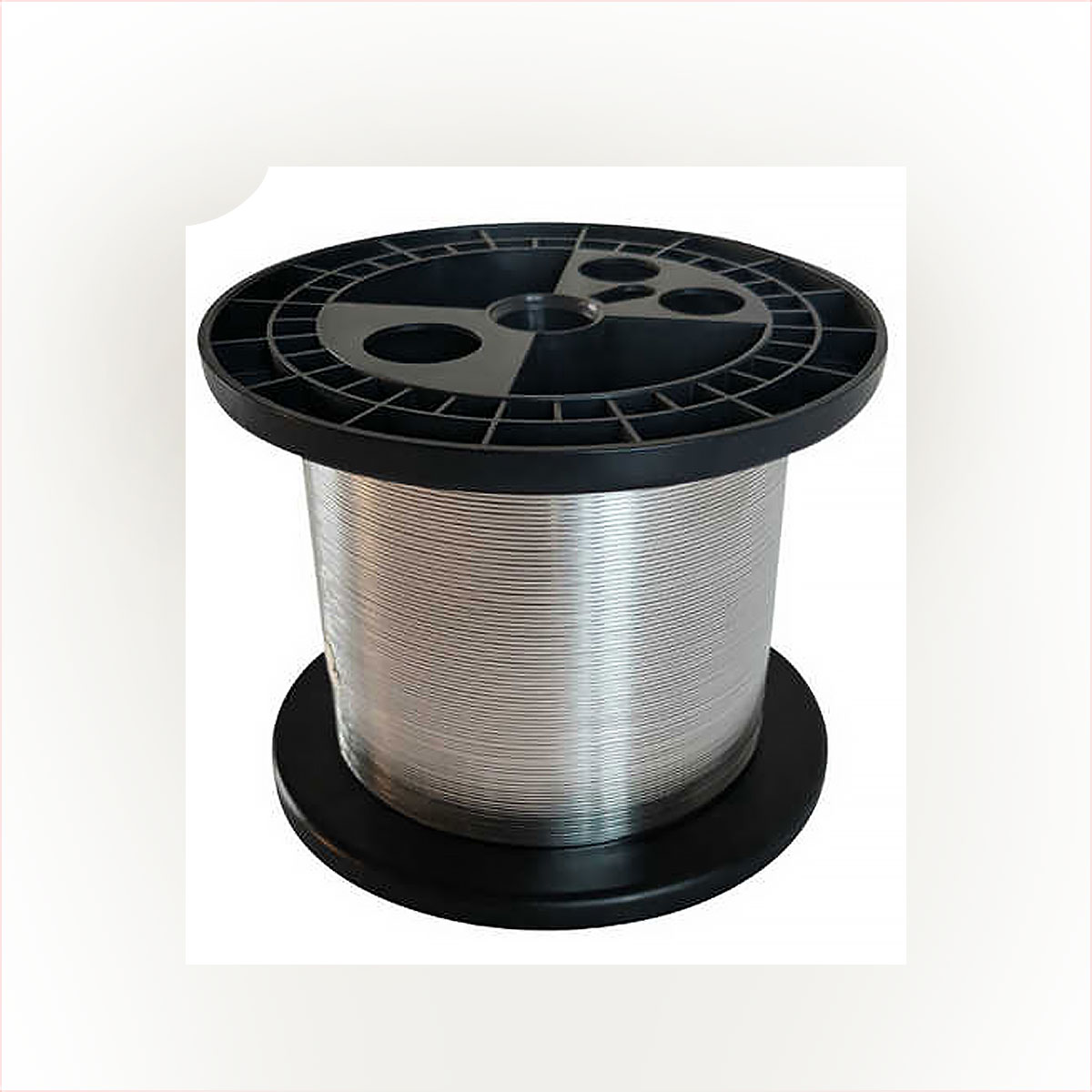
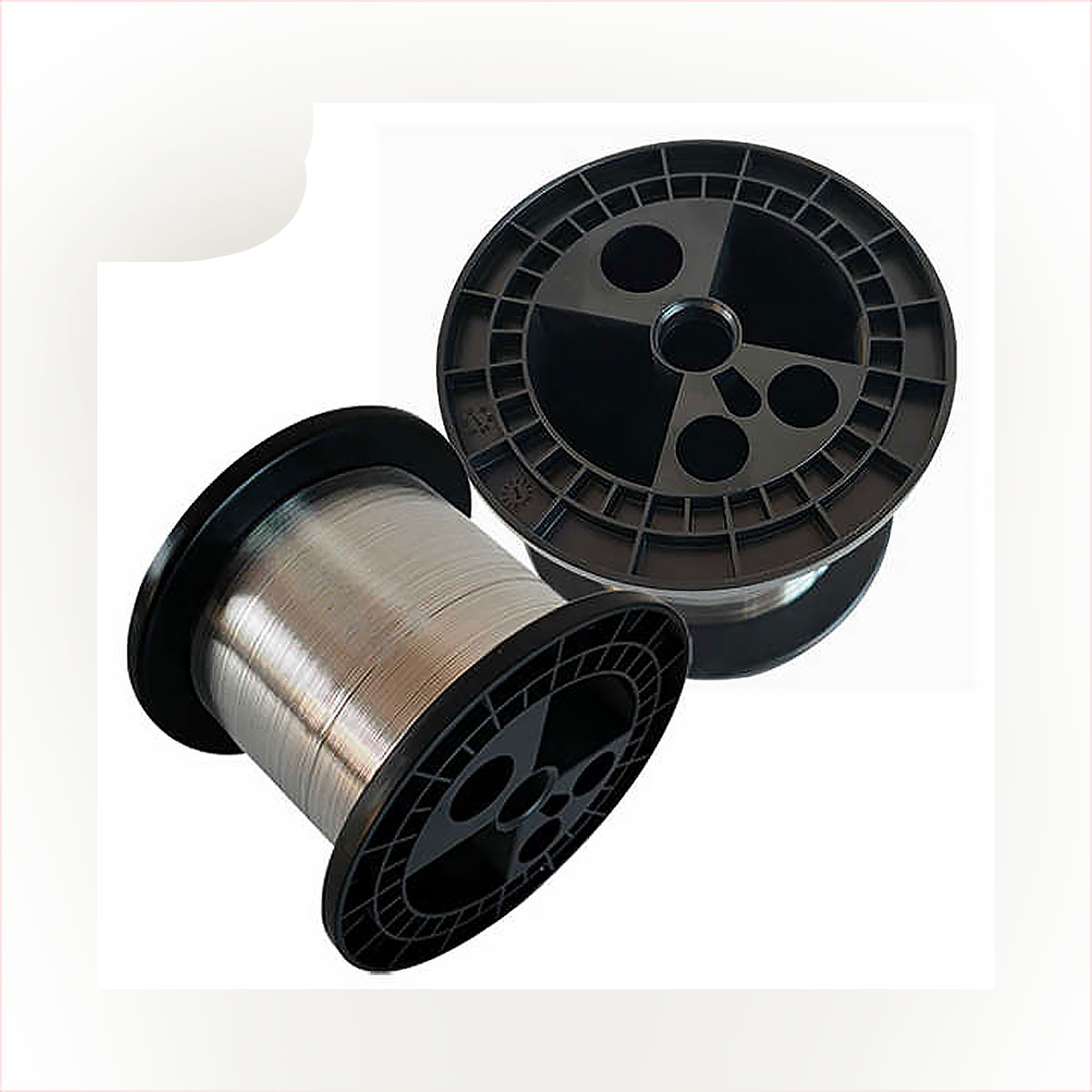
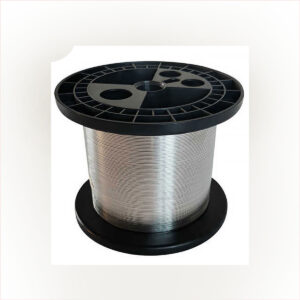
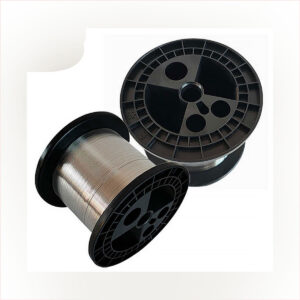
Supplied on spools (HKV 160, K125, or customized) for easy integration into automated manufacturing lines |
||||||
|
|
|||||||
|
Examples of specifications for some types of Solar Ribbon |
|||||||
|
|
|||||||
|
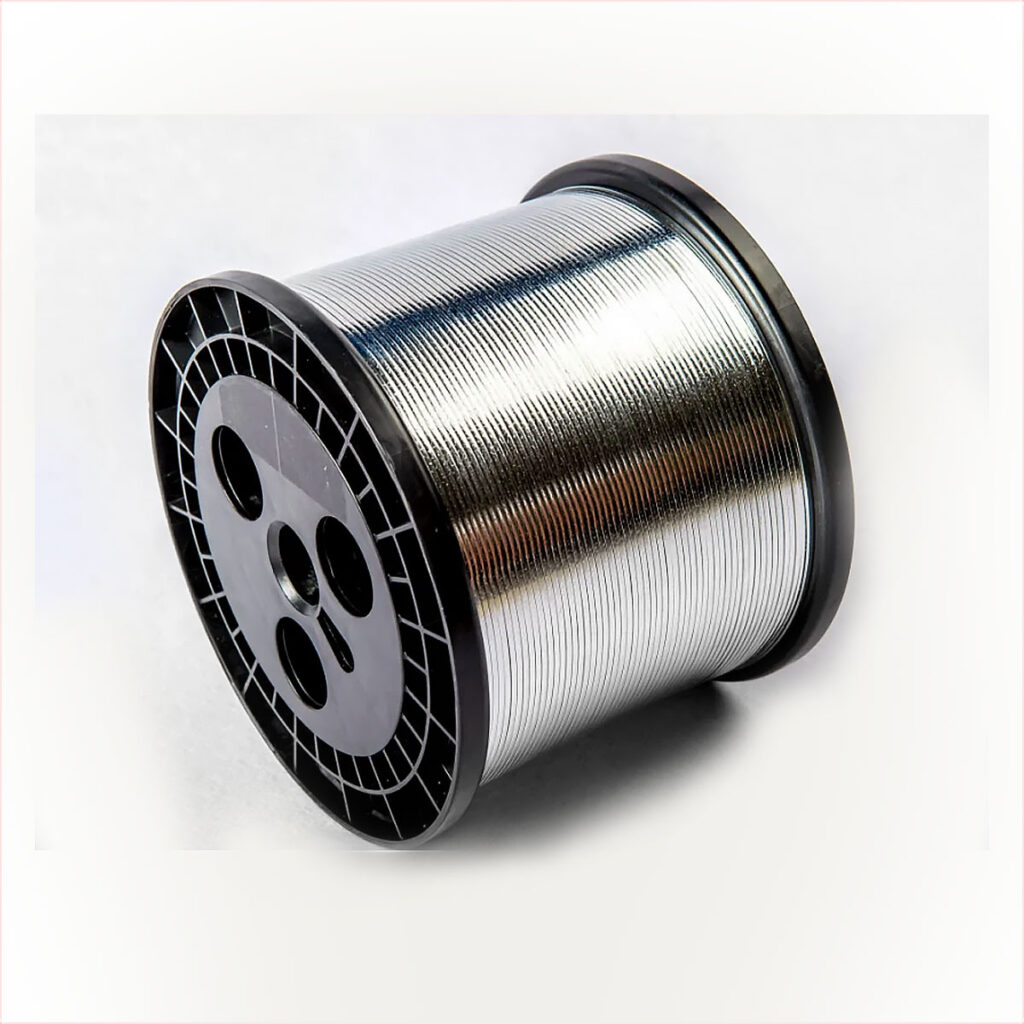
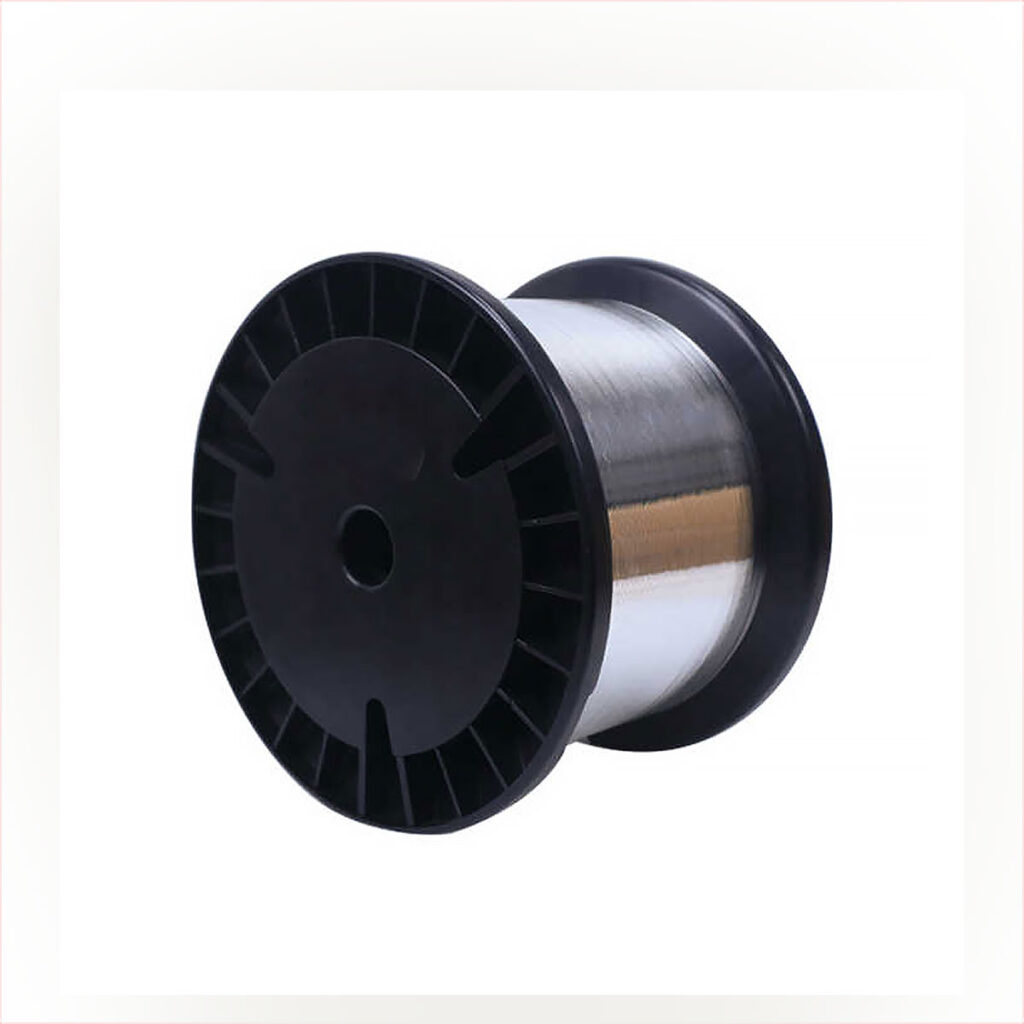
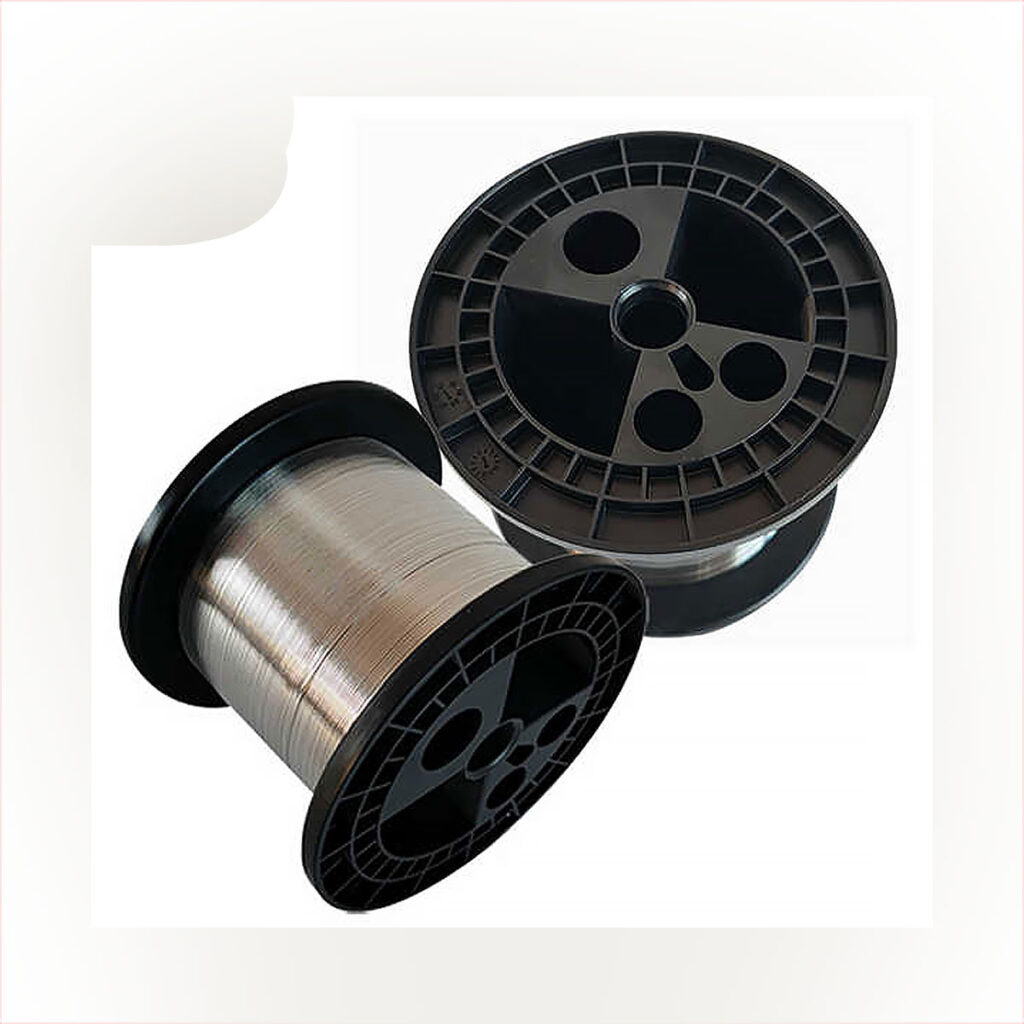
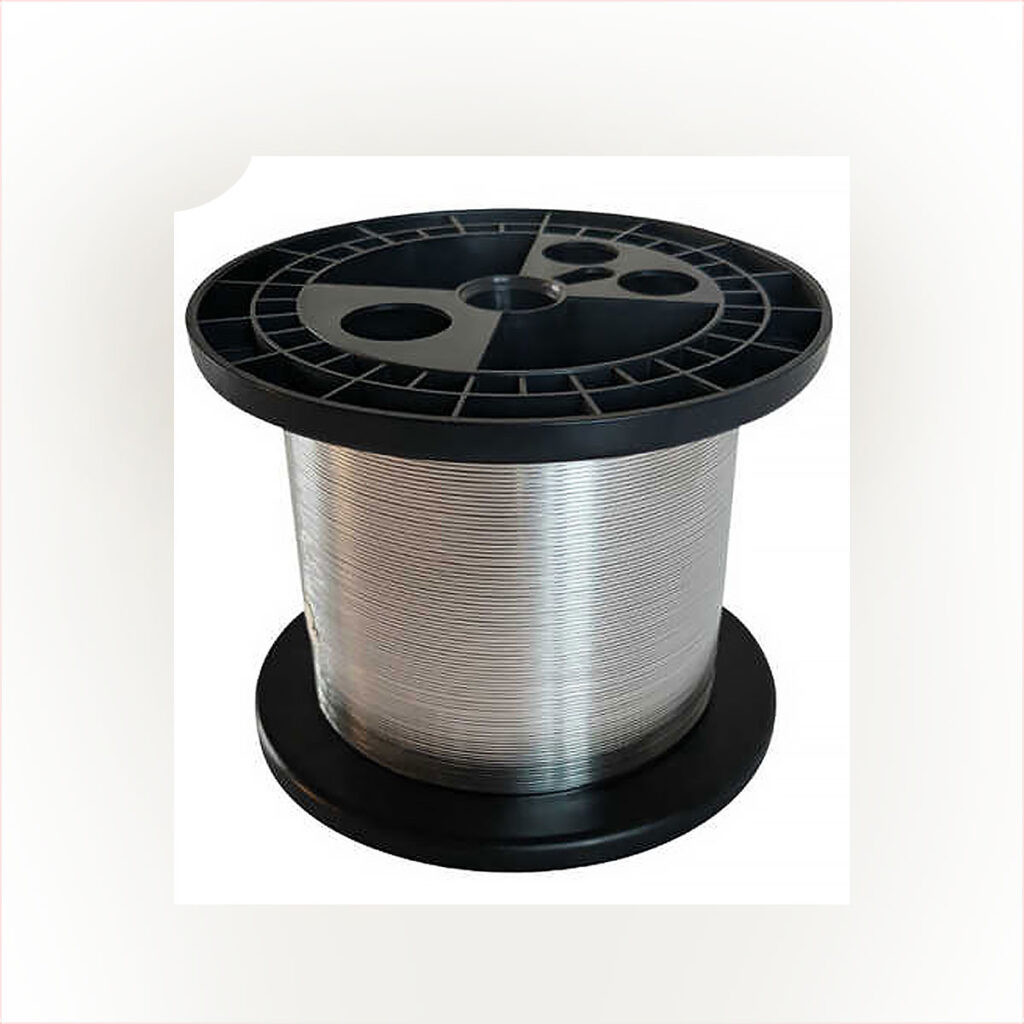
Ribbon Type Flux Pen |
|||||||
    |
|||||||
|
|
|||||||
|
1 |
Round welding wire, copper base for electrical use, made by drawing oxygen-free copper wires, annealing, and tinning. |
||||||
|
2 |
General specifications range from 0.25 mm to 0.4 mm, and special sizes can be customized. |
||||||
|
3 |
Copper base specifications range from 0.23 mm to 0.37 mm, and the tin layer thickness (single side) ranges from 0.012 mm to 0.017 mm. |
||||||
|
4 |
Electrical conductivity (59.6 × 10⁻ S/m). |
||||||
|
5 |
Yield between 55 and 70. |
||||||
|
6 |
Specializing in the production of lead- and silver-based, lead-free, and lead-free photovoltaic welding belts. |
||||||
|
|
|
||||||
|
Technical Specification |
|||||||
|
Large module welding tape (sultable for solar large module) |
|||||||
|
Copper base |
Electric Park copper wire rolling or T2 copper strip slitting |
||||||
|
Copper substrate resistivity |
p≤0.01720mm2/m |
||||||
|
Solder composition |
62%Sn36%Pb2%Ag |
||||||
|
Sn40%60% Pb |
|||||||
|
60% Sn40% Bi |
|||||||
|
97% Sn3%Ag |
|||||||
|
Tin layer thickness |
10µm -40µm, uniform on both sides |
||||||
|
Thickness tolerance |
≤0.008 |
||||||
|
Width tolerance |
The rolled products ≤0.1mm – Slitting Commodities ≤0.005mm |
||||||
|
Elongation |
the soft state ≥20% – Semi-soft ≥15% |
||||||
|
Product specifications |
Width 1.0mm -2.5mm, Thickness of 0.08 mm 0.25 mm. |
||||||
|
Packing |
4Kg, 8Kg two kinds of l-wheel, suitable for automatic welding machine, no break in the middle; Can also cut for customers, carton packaging |
||||||
|
Material |
Sn Pb |
||||||
|
Diameter |
1.0mm – 2.5mm |
||||||
|
Melting point |
international standard |
||||||
|
Weight |
0.5kg/4Kg/8Kg |
||||||
|
Flux Content |
1.8%-2.2% |
||||||
|
|
|||||||
|
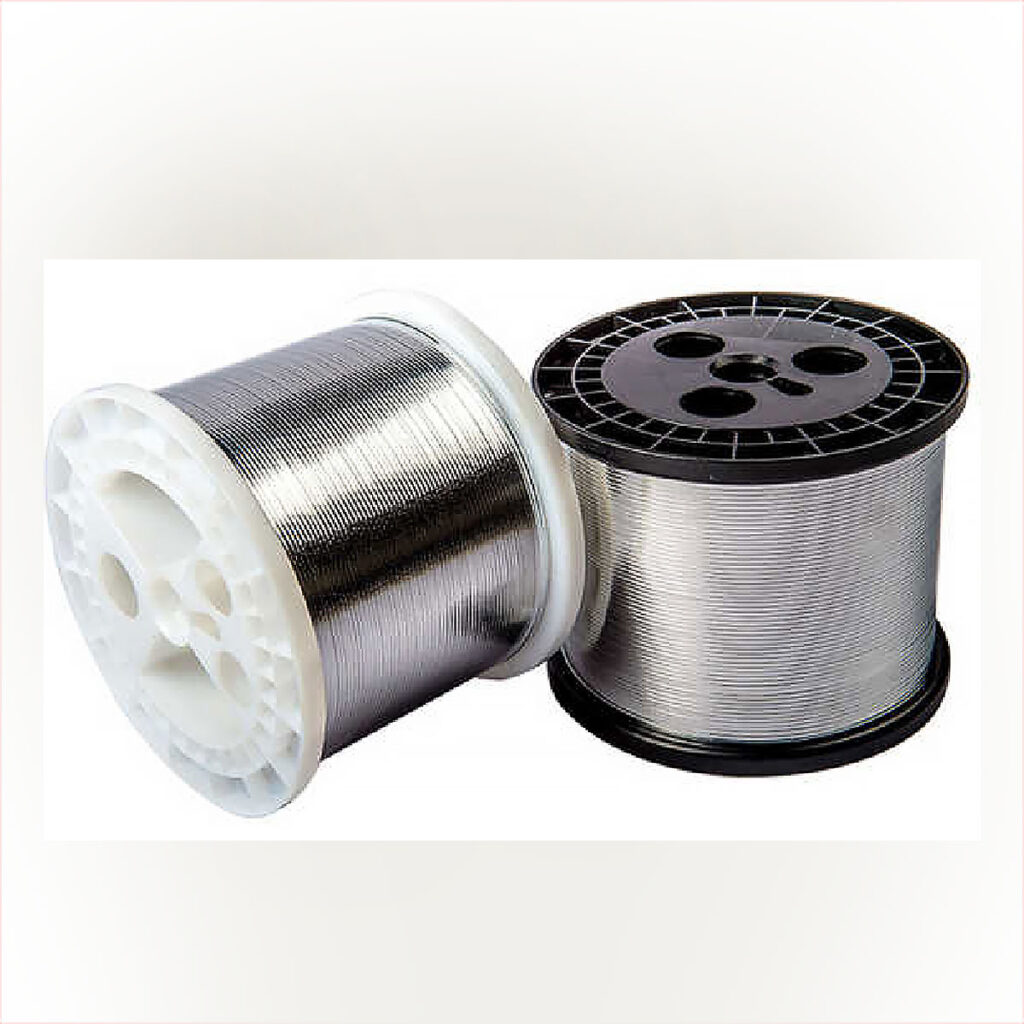
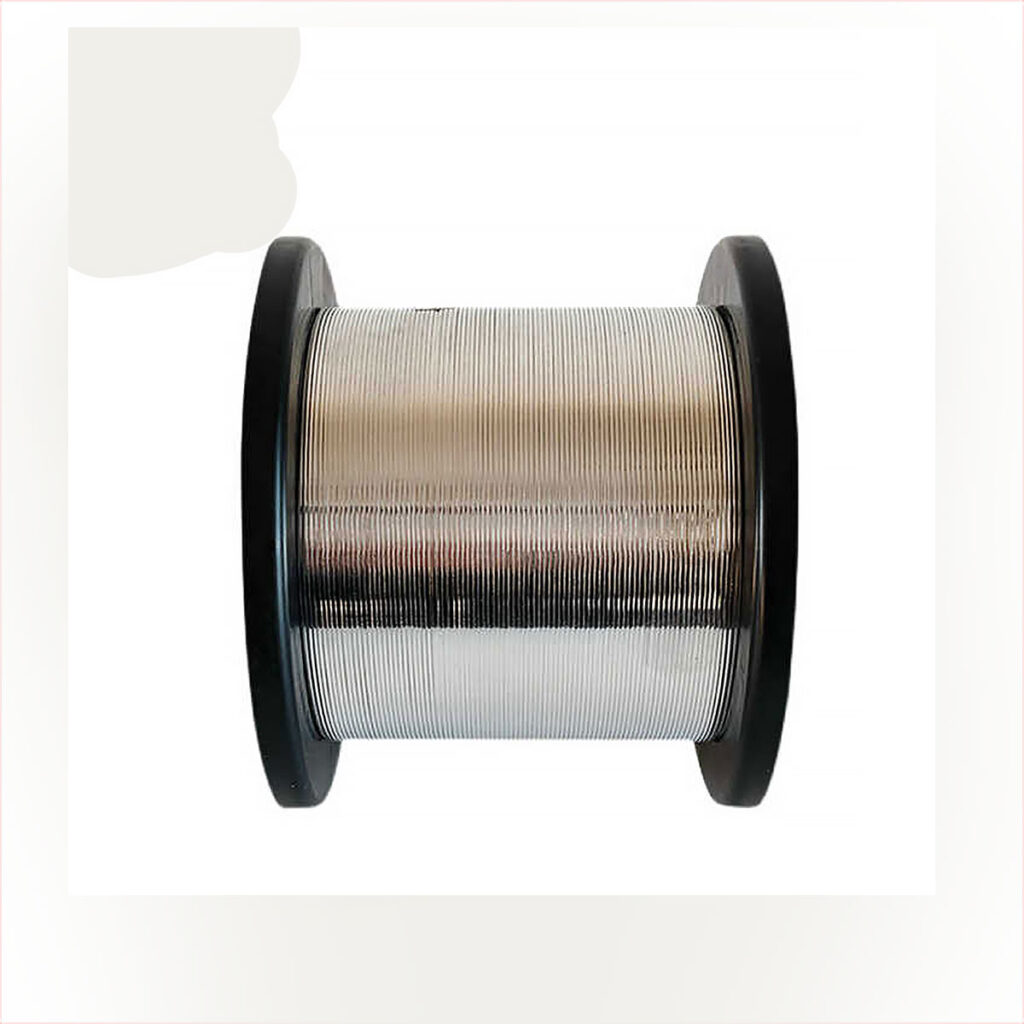
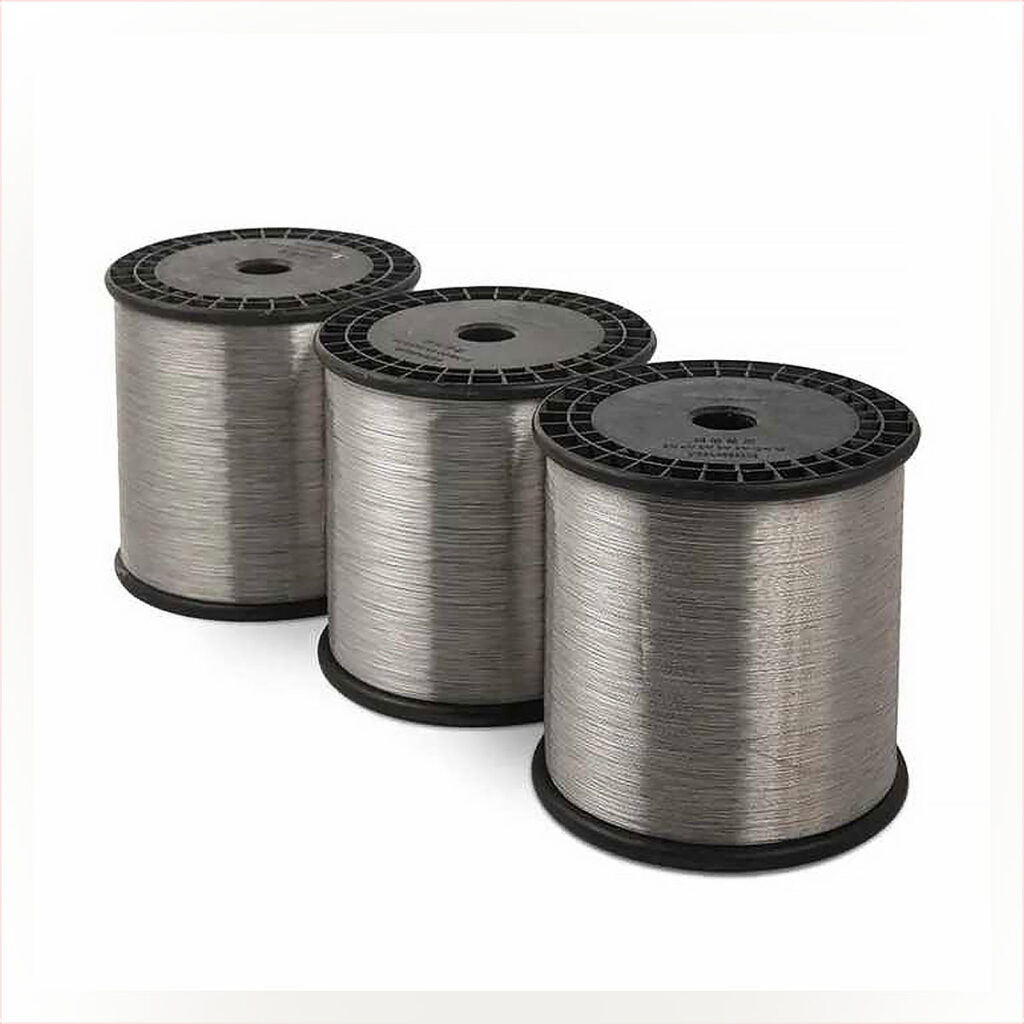
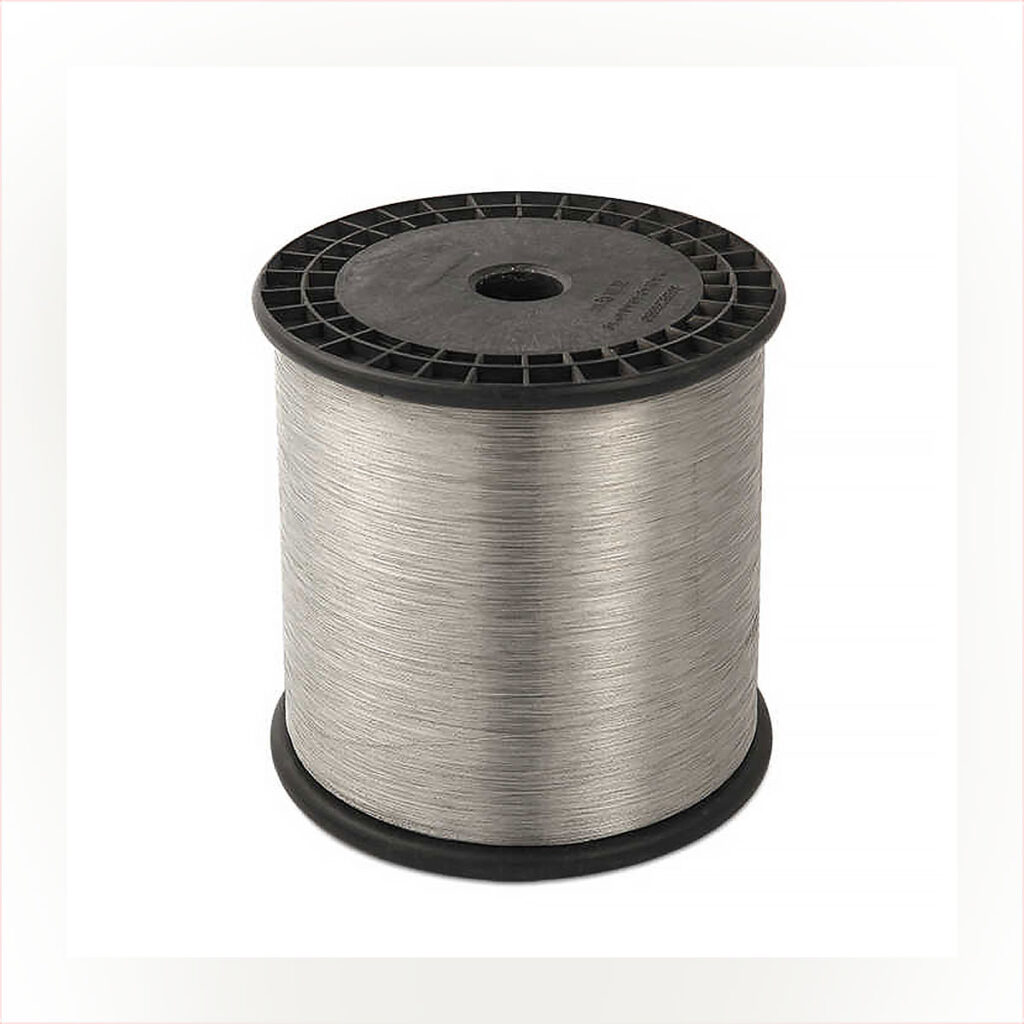
Interconnection Ribbon, Busbar |
|||||||
    |
|||||||
|
|
|||||||
|
Technical Specification |
|||||||
|
1 |
Specified use |
||||||
|
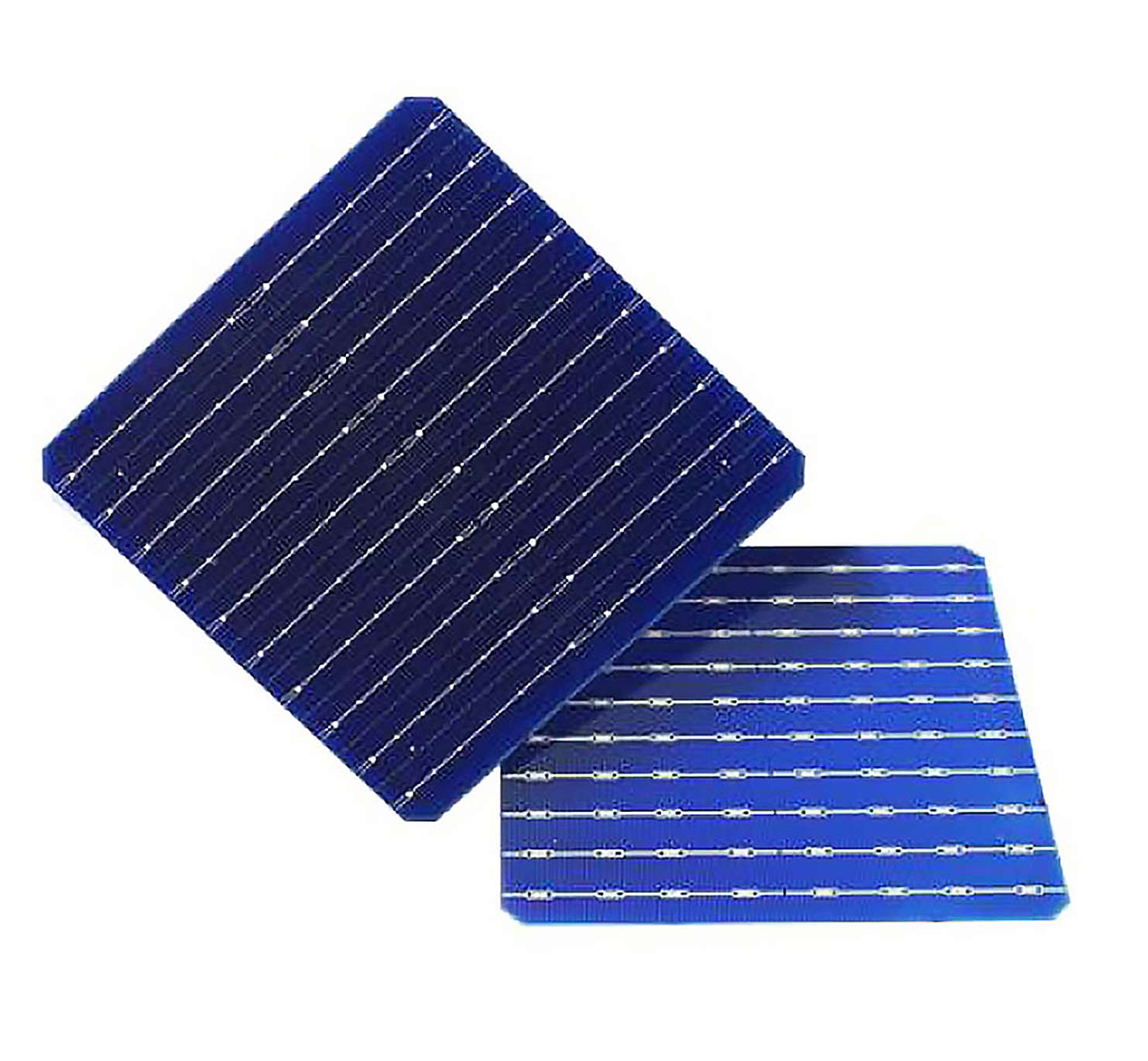
Interconnection ribbons are used to connect front bus bars of one cell to the corresponding rear bus bars of the next cell to achieve a series connection, Busbar are installed around the perimeter of the solar panels; PV bus bar connects interconnect ribbon to the junction box |
|||||||
|
2 |
Physical Characteristics: |
||||||
|
Ribbon width |
1mm-3mm |
||||||
|
Ribbon thickness |
0.2 mm |
||||||
|
Busbar width |
5 ~ 6 mm |
||||||
|
Busbar thickness |
0.1mm-0.5mm |
||||||
|
Coating Thickness |
10um-40um |
||||||
|
Coating tolerance |
10%-30% |
||||||
|
Lead free solder alloys |
Sn 100% Sn 96.5%, Ag3.5% |
||||||
|
Leaded |
Sn 60%, Pb 40% Sn 62%, Pb 36%, Ag 2% |
||||||
|
Copper |
|||||||
|
Resistivity |
0.02Ω.mm2 |
||||||
|
Electrical Conductivity |
100% |
||||||
|
Purity |
99.9% |
||||||
|
Thickness |
0.2mm |
||||||
|
3 |
Mechanical characteristics: |
||||||
|
Tensile strength |
160N/mm2 |
||||||
|
Yield strength |
70N/mm2 |
||||||
|
Elongation |
25% |
||||||
|
Fusion temperature of the tin |
<220° C |
||||||
|
Camber |
8mm/ m |
||||||
|
|
|||||||
|
Comparison between Tabbing Ribbon and Bus Ribbon |
|||||||
|
Feature / Property |
Tabbing Ribbon |
Bus Ribbon |
|||||
|
Function |
Connects individual solar cells in series |
Collects current from multiple cell strings and carries it to the junction box |
|||||
|
Width |
Narrow (≈ 1.0 – 3.0 mm) |
Wider (≈ 3.0 – 7.0 mm) |
|||||
|
Thickness |
Thin (≈ 0.08 – 0.25 mm) |
Thicker (≈ 0.20 – 0.50 mm) |
|||||
|
Current Capacity |
Handles lower current per cell string |
Handles higher total current for the whole module |
|||||
|
Flexibility |
More flexible, easier to solder between cells |
Less flexible due to larger cross-section |
|||||
|
Position in Module |
Runs across the surface of individual cells |
Runs across the module, connecting multiple strings |
|||||
|
Main Purpose |
Interconnection between cells |
Power collection and transmission |
|||||